Runway Looks, Real-Life Budget: How to Build a Stunning Kids' Wardrobe Without the Designer Price Tag
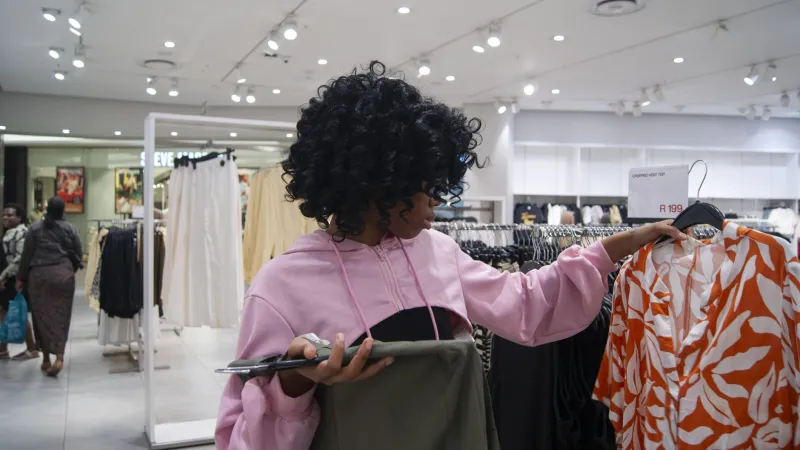
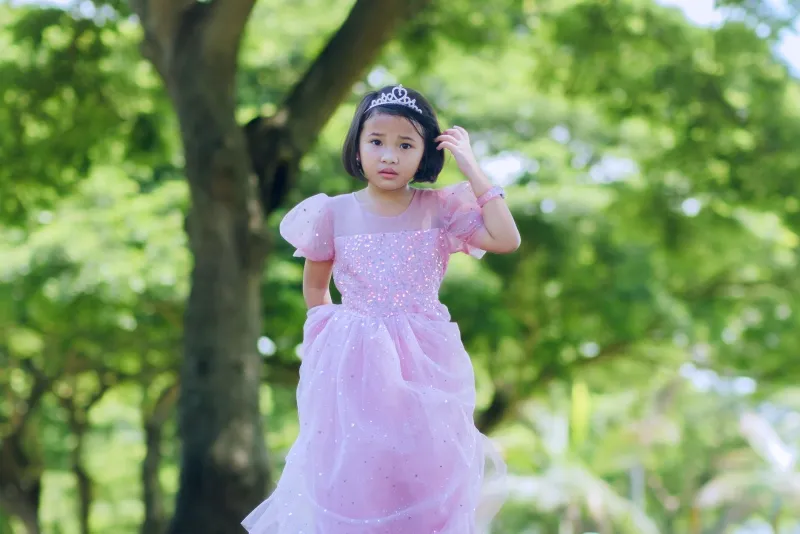
Let's be honest: kids' fashion prices can be genuinely shocking. A single dress from certain boutique brands can run $80 or more — for something she'll outgrow in four months. Meanwhile, your daughter has very strong opinions about looking amazing, and she deserves to feel that way without you wincing every time you open your wallet.
Good news: a polished, stylish kids' wardrobe is completely achievable at everyday prices. The secret isn't finding cheap clothes — it's shopping smart, mixing strategically, and knowing which pieces are worth a little more and which ones you can totally go budget on.
Here's how to build a wardrobe that looks like you spent a lot more than you did.
Start With the Foundation: Invest in Basics, Save on Trends
The single most important rule of budget-savvy kids' fashion: spend a little more on basics, spend a little less on trends.
Basics are the workhorses of any great wardrobe. Solid-color leggings, well-fitted denim, neutral long-sleeve tees, a classic cardigan — these are the pieces that make everything else look intentional. Because they're worn constantly and need to survive repeated washing, this is where slightly better quality pays off.
Where to shop for basics:
- Cat & Jack at Target is genuinely one of the best values in children's clothing right now. The quality has improved significantly over the past few years, and the basics — especially their leggings and layering tees — hold up remarkably well. Most pieces run $8–$15.
- Old Navy runs frequent 40–50% off sales that make their already-reasonable basics even more accessible. Their uniform-style pieces (ponte pants, solid tops) are especially durable.
- Primary (primary.com) is a direct-to-consumer brand that does one thing really well: high-quality solid basics in a huge range of colors. Slightly pricier than Target, but the longevity is worth it for core pieces.
Go Bold on Trends — Just Don't Spend Much on Them
Trends are meant to be fun, not permanent. This season it's butterfly prints and retro color-blocking. Next season it'll be something else entirely. The smart move is to lean into whatever your daughter is excited about without committing real money to it.
Where to shop for trendy pieces:
- Target's seasonal collections rotate frequently and are priced to move. Grab the fun stuff, enjoy it for the season, donate it when it's done.
- H&M Kids consistently delivers trend-forward pieces at very low price points. Their dress selection especially tends to look much more expensive than it is.
- ThredUp and Poshmark Kids are goldmines for trendy items that other families bought, used briefly, and moved on from. You can often find boutique brands and even some designer kids' pieces at 70–80% off retail.
- Five Below — yes, really. Their accessories and seasonal add-ons (hair clips, bags, fun socks) are perfect for trend-chasing without any budget guilt.
The Mix Formula That Makes Everything Look Intentional
The reason some kids' outfits look like they came straight from a catalog while others look thrown-together isn't price — it's proportion and intentionality. Here's a simple formula that works almost every time:
One statement piece + two neutrals + one fun accent.
So: a floral midi skirt (statement) + white tee + white sneakers (neutrals) + a bright scrunchie or beaded bracelet (accent). Done. It looks coordinated, it looks considered, and the whole outfit probably cost under $30.
Or: embroidered jeans (statement) + plain lavender long-sleeve + white platform sneakers + a dainty necklace. Same formula, different vibe, same budget-friendly result.
The key is that the statement piece does the heavy lifting, so the rest of the outfit can be simple and inexpensive without looking cheap.
Seasonal Shopping Strategy: When to Buy and When to Wait
Timing your purchases correctly can cut your kids' clothing budget by 30–40% without any sacrifice in quality or style.
End-of-season clearance is your best friend. Retailers typically slash prices 50–70% at the end of each season to clear inventory. If you know your daughter's approximate size for next year (buy up one size and store), you can stock up on summer dresses in August and winter coats in February for a fraction of what you'd pay in-season.
Target's Circle app sends personalized deals and has frequent kids' clothing promotions. Stack those with clearance pricing and you're looking at some genuinely impressive savings.
Amazon's kids' clothing section has improved considerably, particularly for basics and layering pieces. Read reviews carefully and check the return policy — but for items like plain turtlenecks, solid joggers, and undershirts, it's often the most affordable option available.
Don't sleep on Walmart's kids' section. The Wonder Nation line has quietly gotten much better, and for everyday basics and play clothes, it's hard to beat the value.
Accessories: The Highest-ROI Category in Kids' Fashion
If there's one area where a small spend delivers a massive style return, it's accessories. A $4 hair bow can elevate the simplest outfit. A $6 beaded bracelet set makes a basic tee look intentional. A $10 crossbody bag makes a school outfit look like an editorial moment.
For accessories, you genuinely don't need to spend much:
- Claire's has had a full style glow-up and now carries some genuinely cute pieces. Their hair accessories especially are worth a look.
- Amazon's kids' jewelry and accessories section offers huge variety at very low prices — perfect for trend-driven pieces that might only be worn for one season.
- Shein Kids (with the caveat that you should read reviews, check sizing carefully, and be mindful of shipping times) can be a source for very affordable accessories and accent pieces.
The Capsule Approach: Fewer Pieces, More Outfits
One of the biggest budget mistakes parents make is buying too many individual items that don't work together. A more strategic approach: build a small capsule of pieces that mix and match across multiple outfits.
For a single season, aim for:
- 5–7 tops (3 neutral, 2–4 with personality)
- 3–4 bottoms (at least 2 that work with most tops)
- 1–2 dresses or jumpsuits
- 1 layering piece (cardigan, denim jacket, hoodie)
- 2–3 shoe options
- A handful of accessories
That's roughly 20 items that can generate 30+ distinct outfits. Compare that to buying 30 individual pieces that only work in specific combinations — the capsule approach wins every time, both for style and for your wallet.
The Bottom Line
Your daughter can look absolutely amazing without a designer budget. The secret is knowing where quality actually matters, where you can safely go affordable, and how to mix pieces so that the overall look feels polished and intentional.
Fashion is supposed to be fun — and it's a lot more fun when you're not stressed about the credit card bill. Shop smart, mix strategically, and let her shine.