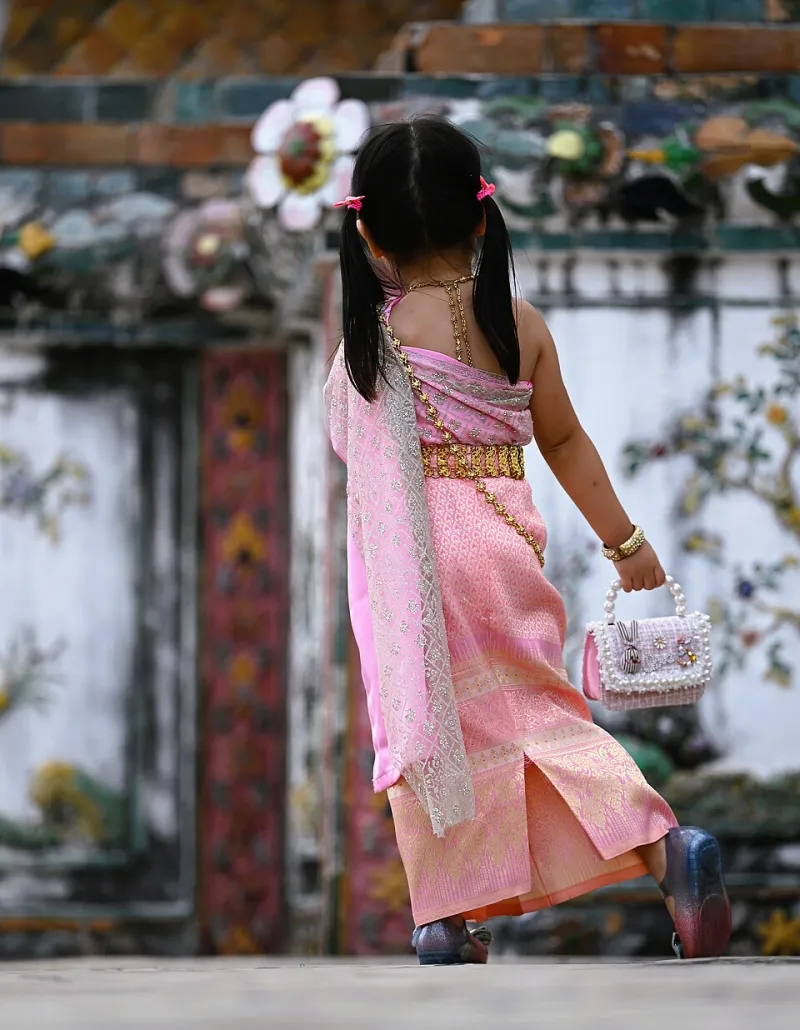
Her Body, Her Rules: How to Talk to Your Daughter About Getting Dressed Without the Shame Spiral
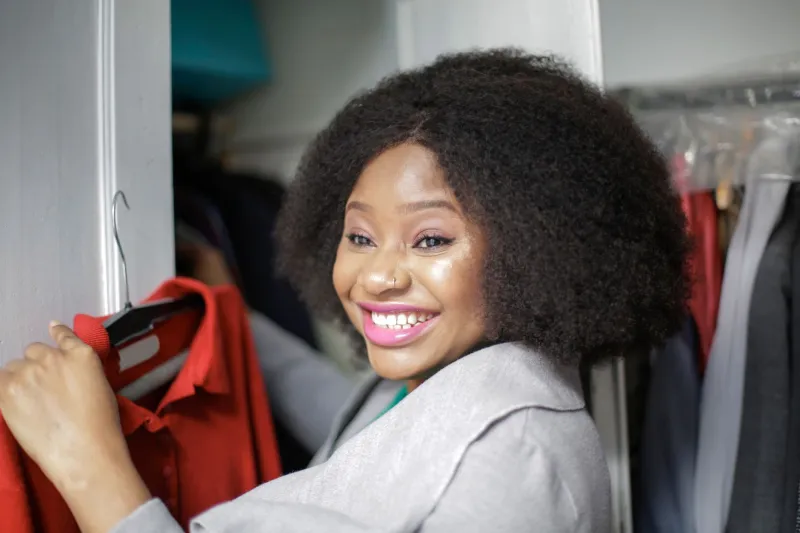
Let's be honest — few parenting moments feel more loaded than the morning when your daughter walks out in something that gives you pause. Maybe it's a crop top she's obsessed with. Maybe it's a skirt the school handbook technically doesn't allow. Maybe it's just... a lot of sequins for a Tuesday.
The instinct to say something is real. But how you say it — and more importantly, why you say it — can either build her up or quietly chip away at something she shouldn't have to lose: her comfort in her own skin.
This isn't about letting kids wear whatever they want with zero guidance. It's about making sure the guidance we give comes from the right place. There's a big difference between teaching a girl to dress thoughtfully and teaching her to dress apologetically.
Where the Messaging Gets Complicated
Girls in the US hear a lot of confusing, contradictory things about clothing from the time they're pretty young. They're told to express themselves — and then told their expression is too much. They're told confidence is attractive — and then told to cover up so they don't distract anyone. They're told fashion is fun — and then shamed for taking it seriously.
School dress codes, family comments, social media, and even well-meaning friends all send signals that can quietly translate into: your body is a problem to be managed.
That's the message we're trying to interrupt. Not by ignoring real-world rules, but by reframing the reason behind them.
Dress Codes Are Practical, Not Personal
One of the most useful things you can do for your daughter is separate rules from shame. Dress codes exist in lots of contexts — schools, formal events, sports, jobs — and they're mostly just about practicality and logistics. They're not a commentary on her body or her worth.
When she has to follow a school dress code, frame it the same way you'd frame any other school policy. "The school has a policy about this, so we need to find something that works within those guidelines" is a completely neutral, non-shaming thing to say. It's the same energy as "the school says no phones at lunch" — it's just a rule, not a verdict.
What you want to avoid is tying the rule to her body. "You can't wear that because it's too distracting" puts the responsibility for other people's reactions onto her — and that's a lesson that sticks in ways we don't always intend. Instead: "That one doesn't fit the school's policy, so let's find something just as cute that does."
Same outcome. Completely different message.
Build the Habit of Dressing for Herself
Outside of settings with actual rules, the goal is to help her develop a personal relationship with clothing that's rooted in her comfort and her self-expression — not in avoiding judgment from others.
Ask her questions that put her in the driver's seat:
- How does that feel to wear? Does it feel like you?
- Is that comfortable enough to move around in all day?
- Does it make you feel good when you look in the mirror?
These questions train her to check in with herself first. That internal compass — does this feel right for me? — is something she'll use for the rest of her life, way beyond just picking out outfits.
When she's choosing based on her own comfort and confidence, she's building something real. When she's choosing based on what other people won't criticize, she's building anxiety.
The Difference Between Guidance and Policing
There's a version of parental fashion input that's genuinely helpful, and a version that quietly teaches girls their bodies need to be hidden or managed. Knowing the difference matters.
Helpful guidance sounds like:
- "That might be cold for today's weather — want to layer something under it?"
- "That's a great pick! The event is pretty formal, so let's see if we can find something with a similar vibe that fits the dress code."
- "I love that you love that top. Save it for the weekend?"
Policing sounds like:
- "You can't wear that — what will people think?"
- "That's too much. You don't want to look like you're trying too hard."
- "Boys will stare if you wear that."
The second set of comments makes her responsible for other people's reactions. It teaches her that clothing is about managing perception rather than expressing herself. Over time, that lesson becomes internalized — and it can make getting dressed feel stressful instead of fun.
When She Pushes Back on the Rules
Sometimes she's going to disagree with a dress code or a guideline, and honestly? That's okay. Disagreeing with a rule is not the same as being allowed to break it, but her frustration deserves to be acknowledged.
"I get it — that rule feels unfair, and I understand why you're annoyed" goes a long way before the "but here's what we need to do" part. Validating her feelings doesn't mean you're backing down. It means she feels heard, and kids who feel heard are a lot more willing to cooperate.
You can also use those moments to have a bigger conversation about how dress codes work in different environments — school, work, religious settings, formal events — and how navigating rules is a life skill, not a personal attack. She'll encounter dress codes her whole life. Learning to work within them without feeling diminished by them is genuinely useful.
Fashion Is Still Supposed to Be Fun
In the middle of all this, don't lose the joy. Your daughter's relationship with fashion — her love of a particular color, her obsession with a specific style, her excitement about putting together an outfit she feels amazing in — is something worth protecting.
The goal of all these conversations isn't to make her second-guess every choice. It's to give her a strong enough foundation that she makes choices from a place of confidence rather than anxiety. She should be able to look at her closet and feel excited, not overwhelmed by invisible rules about what's too much or not enough.
Let her experiment. Let her go through phases. Let her wear the sparkly thing on a random Wednesday because it makes her happy. Fashion at its best is play — and girls who learn to play freely with their style tend to grow into women who know exactly who they are.
That's the real goal here: not a perfectly dressed daughter, but a confident one.