Tiny Details, Huge Impact: Why the Right Accessories Help Girls Own Every Room They Walk Into
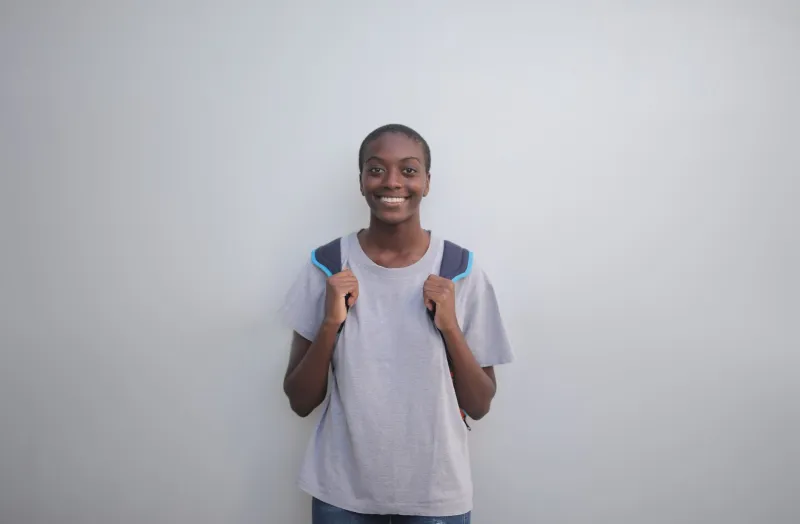
There's a moment most parents recognize instantly. Your daughter is dressed and ready, but something feels off to her—not the outfit exactly, just something. Then she clips on a bracelet, slides on her favorite sneakers, or loops a sparkly headband through her hair, and suddenly she stands up straighter. Her shoulders drop. She smiles at herself in the mirror. There she is.
That small shift? It's not just about looking put-together. There's real psychology behind it, and understanding it can change the way you shop for accessories—and the way your daughter thinks about getting dressed.
Why Finishing Touches Actually Finish Something
Psychologists have long studied a concept called "enclothed cognition"—the idea that what we wear affects how we think and feel about ourselves. While most of the research focuses on adults, the principle applies to kids in a big way. When a girl feels like her outfit is complete, she's more likely to feel ready. Not just for the day, but for whatever challenge that day holds.
Accessories are often the piece that closes the loop. A plain dress becomes a statement with the right belt. A basic backpack turns into something personal with a keychain charm. Shoes that feel "just right" can make a girl feel like she can run faster, stand taller, and take up more space in a good way.
For young girls especially—who are still figuring out who they are and where they fit—these small choices carry a lot of weight.
The Confidence Scenario: School Presentations
Let's talk about one of the most universally dreaded kid experiences: standing up in front of the class. Whether it's a book report in third grade or a science fair project in middle school, public speaking is stressful for most children.
Here's where accessories can quietly do some heavy lifting. Before a big presentation day, let your daughter choose one piece she feels especially good in—something that makes her feel like herself, amplified. Maybe it's her favorite pair of earrings (if her ears are pierced), a friendship bracelet from her best friend, or a hair clip that matches her outfit perfectly.
That one item becomes a kind of anchor. When nerves hit mid-presentation, she can feel the bracelet on her wrist or notice her shoes and remember: I got dressed for this. I'm ready. It sounds simple, but for a kid, that grounding moment can make all the difference.
Practical tip: Let her pick out her "brave accessory" the night before so there's no morning scramble. Make it a little ritual—something like, "What are you wearing for good luck tomorrow?"
New Situations, New Armor
Starting a new school, joining a sports team, going to a birthday party where she only knows the birthday girl—these are the moments that test kids' social confidence. And they're also moments where what a girl is wearing can either add to her anxiety or ease it.
The goal isn't to dress her up so other kids notice her (though that might happen!). The goal is to dress her so she notices herself in a positive way before she walks through the door.
For new social situations, think about accessories that are conversation starters—something a little unique that another kid might comment on. A bag with a fun patch, a bracelet with a charm that has a story, or shoes in a color she loves and wears proudly. These small details give her something to talk about if she's feeling awkward, and they signal something about her personality before she's said a single word.
Practical tip: If your daughter is anxious about a new experience, go shopping together beforehand and let her pick one new accessory specifically for that occasion. The act of choosing something—and having it be hers—builds ownership and excitement.
Bags, Belts, and the Art of Feeling Put-Together
Not all accessories carry the same emotional weight for every girl. Some kids are all about shoes. Others live for their bags. Some won't leave the house without a specific hair accessory. Part of helping your daughter use accessories as confidence tools is figuring out which category speaks to her.
Bags are often underestimated. For school-age girls, a backpack or tote isn't just functional—it's one of the most visible parts of their look. A bag that feels cool to her (whatever that means in her world) can set the tone for her whole day. It's worth investing in something she genuinely loves rather than just something practical.
Belts are a sneaky confidence booster, especially for girls who are learning to love their bodies. A belt can define a silhouette in a way that makes a loose dress feel intentional and put-together. It's a small styling move that communicates, "I thought about this outfit," which translates internally to, "I know what I'm doing."
Shoes are maybe the most psychologically loaded accessory of all. There's a reason the phrase "put your best foot forward" exists. Shoes that feel right—whether that's sparkly flats for a formal event or the most beloved sneakers in her rotation—give girls a foundation (literally) to stand on.
Jewelry works differently for different ages. For younger girls, it's often about fun and color. For tweens, it starts becoming about identity and belonging—matching friendship bracelets, earrings that feel grown-up, layered necklaces that feel like them. Pay attention to what she gravitates toward, because she's telling you something about how she sees herself.
How to Talk About Accessories Without Making It About Looks
Here's where a lot of parents get stuck. We want to encourage our daughters to feel good about how they look, but we don't want to make it all about appearance. The good news is that with accessories, the conversation can easily shift.
Instead of "You look so pretty with that headband," try "That headband is so you—I love how you styled it." Instead of "Those shoes are cute," try "You seem really confident in those shoes. Do you feel ready?"
The difference is subtle but meaningful. One framing puts the value on how she looks to others. The other puts the value on how she feels about herself—and that's the whole point.
Encourage her to notice her own reactions to accessories. Ask her which pieces make her feel excited to get dressed. Ask her what she wants her outfit to say about her on a given day. These conversations build self-awareness that goes way beyond fashion.
Building Her Accessory Toolkit Over Time
You don't need a huge collection to make this work. In fact, a few well-loved pieces are better than a drawer full of stuff she ignores. Help her build a small but meaningful "toolkit"—a couple of everyday pieces she reaches for automatically, one or two special-occasion items she saves for big moments, and maybe one totally fun, expressive piece that's just for when she wants to feel extra herself.
Rotate in new things seasonally, but don't feel pressure to keep up with every trend. The pieces that matter most are the ones she comes back to again and again—because those are the ones doing the real confidence work.
At Little Princess, we believe getting dressed is about so much more than clothes. It's about how a girl walks into her day, what she believes about herself when she looks in the mirror, and the tiny rituals that help her feel ready for whatever comes next. And sometimes, all it takes is the right bracelet.